


News & Insights
The latest stories, research, media features, and updates advancing the power of music, memory, and meaningful connection.
.png)
.png)
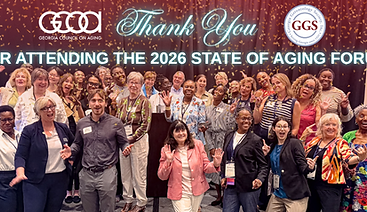
Music Memory Lane joins the Conversation on Healthy Aging in Georgia
Music Memory Lane Executive Director Zabrina Horton joined leaders from across Georgia at the 2026 Georgia State of Aging Forum, where she served as a facilitator for discussions on Social Connection & Community Engagement. Her participation highlighted the importance of meaningful connection in healthy aging and strengthened opportunities for collaboration in support of older adults across Georgia.


WHAT OTHERS ARE DOING

Can creating music strengthen the aging brain? Rice researchers aim to find out
September 11, 2026
Rice University is launching a $3.9 million NIH-funded clinical trial to study whether actively creating music can improve cognition and mental health-related quality of life in adults 65+ with mild cognitive impairment. Researchers will compare music creation, music appreciation, and preferred listening to better understand whether the benefits come from creativity, music itself, or social connection.
This research reflects what Music Memory Lane sees in action: music can do more than entertain—it can awaken memories, inspire movement, spark joy, and bring people together. Through our 4-M experience, we create opportunities for older adults living with memory loss to feel engaged, connected, and celebrated.

How to Get Along When Every Generation Thinks Differently
A recent episode of The Oprah Podcast explores how different generations experience technology, work, relationships, family life and communication — and how they can better understand one another.
For Music Memory Lane, this conversation connects closely to our 4-M approach: Music, Movement, Memories & More. Familiar music can create common ground, movement gives people a way to participate, memories open the door to storytelling, and “More” reflects the deeper connection that can happen among older adults, caregivers, families, volunteers and communities.

The search for how to best use music to treat people with Alzheimer’s disease and other dementias
By Ellen Eldridge | June 29, 2026
Research highlighted by Georgia Public Broadcasting explores how familiar music may help people living with Alzheimer’s and other dementias recall memories, experience joy, reduce stress, improve mood and behavior, and strengthen emotional connection
This article reinforce the science behind Music Memory Lane’s mission and music-centered approach to engagement.

Exploring the Power of Music as We Age
April 29, 2024
HumanGood explores how music can support memory, mood, movement, emotional well-being, and social connection as we age—and how it may help people living with dementia recall memories, ease anxiety, and connect with loved ones.
These benefits closely reflect Music Memory Lane’s mission to create joy, connection, and meaningful experiences for older adults through music.

Alzheimer’s Foundation Awards $200,000 to Emory for Arts and Brain Health Research
December 10, 2025
Emory University’s investment in research exploring how music and artistic engagement may strengthen emotional well-being, social connection, and brain health for people experiencing cognitive change.
This reflects the science informing Music Memory Lane’s 4-M approach—combining familiar music, movement, memory engagement, and meaningful social interaction to enrich the lives of older adults living with Alzheimer’s and other dementias.

Listening to Music May Reduce Dementia Risk in Older Adults
November 26, 2025
Published by ALZinfo.org, the Alzheimer’s Information Site of the Fisher Center for Alzheimer’s Research Foundation, this article highlights growing evidence connecting music with cognitive health, memory, mood, and emotional well-being.
The findings connect directly with Music Memory Lane’s 4-M approach, where familiar music, movement, singing, and shared interaction create opportunities for memory recall, joy, and meaningful connection among older adults living with dementia.

How Music Therapy Supports Healthy Aging
April 1, 2025
UCLA Health highlights research showing how music can support memory, mental well-being, social connection, and movement in older adults, including people living with dementia.
These findings connect closely with Music Memory Lane’s 4-M approach, which combines familiar music with singing, movement, and active social engagement to encourage memory recall, lift mood, reduce isolation, and create meaningful moments of connection.

Walk to End Alzheimer’s: Turning Hope Into Action
Alzheimer’s Association
Held in more than 600 communities nationwide, the Alzheimer’s Association Walk to End Alzheimer’s® brings people together to raise awareness and funds for Alzheimer’s care, support, and research.
Its focus on community, connection, and improving the lives of people affected by dementia complements Music Memory Lane’s work today—bringing meaningful music, movement, joy, and connection directly to older adults living with Alzheimer’s and other dementias and the people who care for them.

How Music Supports Memory and Concentration
July 20, 2023
Levine Music explores the connection between music, memory, and the brain, including how familiar songs may help people living with dementia access memories that can remain even as other forms of memory decline.
This connection is reflected in Music Memory Lane’s 4-M approach, which uses familiar music alongside movement, singing, and social engagement to encourage moments of recognition, reminiscence, joy, and connection.
EVENT ANNOUNCEMENTS

